
Wander the City Without Spending a Cent
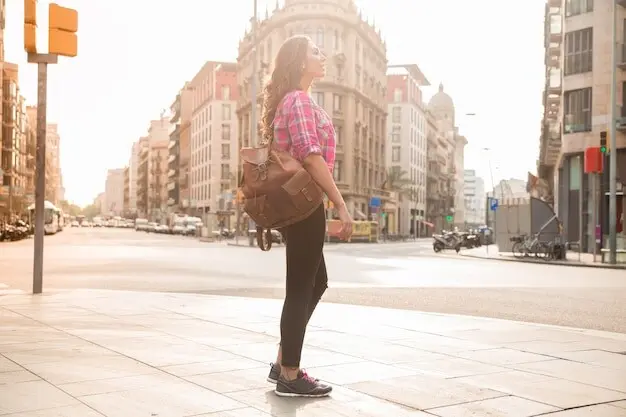
Today we dive into urban exploration using free city resources, transforming libraries, parks, transit maps, open data portals, and community calendars into pathways for wonder. Discover practical routes, vivid stories, and neighborly connections that stretch a weekend into a treasure hunt. Share your finds, subscribe for fresh ideas, and help others see familiar blocks with surprising clarity, empathy, and joy.
Open Data Portals, Step by Step
Most municipalities maintain open data portals listing parks, public art, historical sites, transit stops, and occasional permit logs. Start with interactive maps before downloading anything complex. Filter for amenities like restrooms, shade, drinking fountains, and playgrounds. Let clusters suggest a stroll, then verify hours and closures on official notices.
Transit Maps as Adventure Blueprints
A transit map doubles as a creativity engine. Pick a line, ride to an unfamiliar station near a park or civic plaza, and return by walking one or two stops. Observe storefront rhythms, small murals, curb plantings, and wayfinding signs. Note landmarks for dusk safety and future group outings.
Library Cards as City Keys
A library card quietly unlocks museum passes, local archives, digitized newspapers, and event calendars. Staff recommendations often reveal overlooked walking tours and neighborhood histories. Check meeting rooms hosting map clubs, genealogy nights, or seed libraries. Borrow an atlas, print a custom route, and leave thanks on the comment board.
Stories Hidden in Public Spaces
Streets narrate more than directions. Bronze plaques, sidewalk stamps, cornerstone dates, and commemorative trees thread memory through ordinary blocks. Pair these cues with public registries and local histories to build layered meaning. Pause often, listen gently, and let curiosity replace hurry while respecting residents’ routines and perspectives.
Monuments with Unfinished Conversations
Many monuments tell partial stories. Supplement inscriptions with archival photos, neighborhood newspapers, and city council minutes available through libraries. Compare celebratory language with accounts from communities affected by the honored events. Invite companions to discuss interpretations respectfully, acknowledging complexity without vandalism, posturing, or argument. Curiosity and care travel together.
Public Art Registries and Scavenger Joy
Numerous cities publish public art inventories with locations, artists, dates, and mediums. Turn them into a scavenger route connecting sculptures, mosaics, and murals. Read artist statements when available, noting commissions, community participation, or restoration efforts. Share your photos thoughtfully, credit artists, and flag damaged plaques for maintenance through appropriate channels.
Oral Histories from Benches and Corners
Every bench faces a stage. Strike gentle conversations at community gardens, transit stops, or open houses advertised on municipal calendars. Ask about changes people welcome or worry about. Listen more than you speak, avoid recording without permission, and thank storytellers who lend perspective for a few illuminating minutes.
Nature on a Municipal Budget
Greenspaces funded by your municipality invite birding, sketching, and slow breathing. Trails, riverwalks, and pocket parks can link into surprising corridors when traced carefully on official maps. Learn local flora and migration seasons using free guides. Respect habitat boundaries, posted closures, and restoration zones so tomorrow’s walk remains generous.
Park Rangers as Free Guides
Park departments often host free guided walks, star parties, junior ranger activities, and stewardship days. Check park kiosks and websites for schedules, accessibility notes, and meeting points. Join with patience, ask thoughtful questions, and thank volunteers. These programs sharpen observation skills and build confidence for independent exploration.
Community Gardens as Living Classrooms
Community gardens welcome visitors during posted hours and frequently list volunteer opportunities on city pages. Observe seasonal plantings, pollinator habitats, and compost setups. Offer help respectfully, follow instructions, and learn neighbors’ names. You may leave with herb cuttings, seed tips, and invitations to future harvest celebrations.
Waterfronts, Wetlands, and Respectful Access
Rivers, lakes, and marsh edges are fragile. Use official access points, mind fishing regulations, and read signage about nesting birds or water quality. Tide charts and flood warnings exist for a reason. Step lightly, pack out trash, and share space kindly with other visitors and wildlife.



Culture Without Ticket Lines
Culture flourishes in civic spaces when schedules and budgets align kindly. Track free days, living-room concerts at community centers, student recitals at colleges, outdoor film nights, and neighborhood parades through official calendars. Arrive early, greet organizers, and learn volunteer names. Your presence strengthens local arts ecosystems tremendously.
Safety, Respect, and Accessibility
Exploration flourishes when everyone feels safe and welcome. Plan routes with daylight, accessible curb cuts, safe crossings, and open facilities. Travel with a buddy or share your plan. Learn neighborhood norms, greet workers politely, heed posted rules, and elevate care for elders, children, and mobility-device users.
Document, Share, and Give Back
Exploration deepens when documented with humility and shared in ways that benefit neighbors. Keep notes, sketch intersections, and geotag responsibly. Credit sources, link city portals, and celebrate volunteers. Offer corrections gently, welcome itineraries from readers, and subscribe for monthly prompts that spark inclusive, memory-building adventures together.

Field Notes that Spark Dialogue
Treat your notebook as a neighborhood conversation starter. Record sensory details, snippets of overheard gratitude, and questions for librarians or rangers. Share summaries with context, not snark. Invite comments, publish updates when facts change, and maintain a living guide people can trust across seasons.

Photography with Consent and Context
Photographs can open doors or close them. Ask permission for portraits, blur identifying details for children, and caption with street names instead of exact addresses. Avoid geo-tagging ecologically sensitive spots. Credit public artists and event organizers, then link to schedules so interested readers can participate thoughtfully.

All Rights Reserved.